
Diagnostic Services
Advanced diagnostic imaging performed by consultant musculoskeletal radiologists across five modalities.
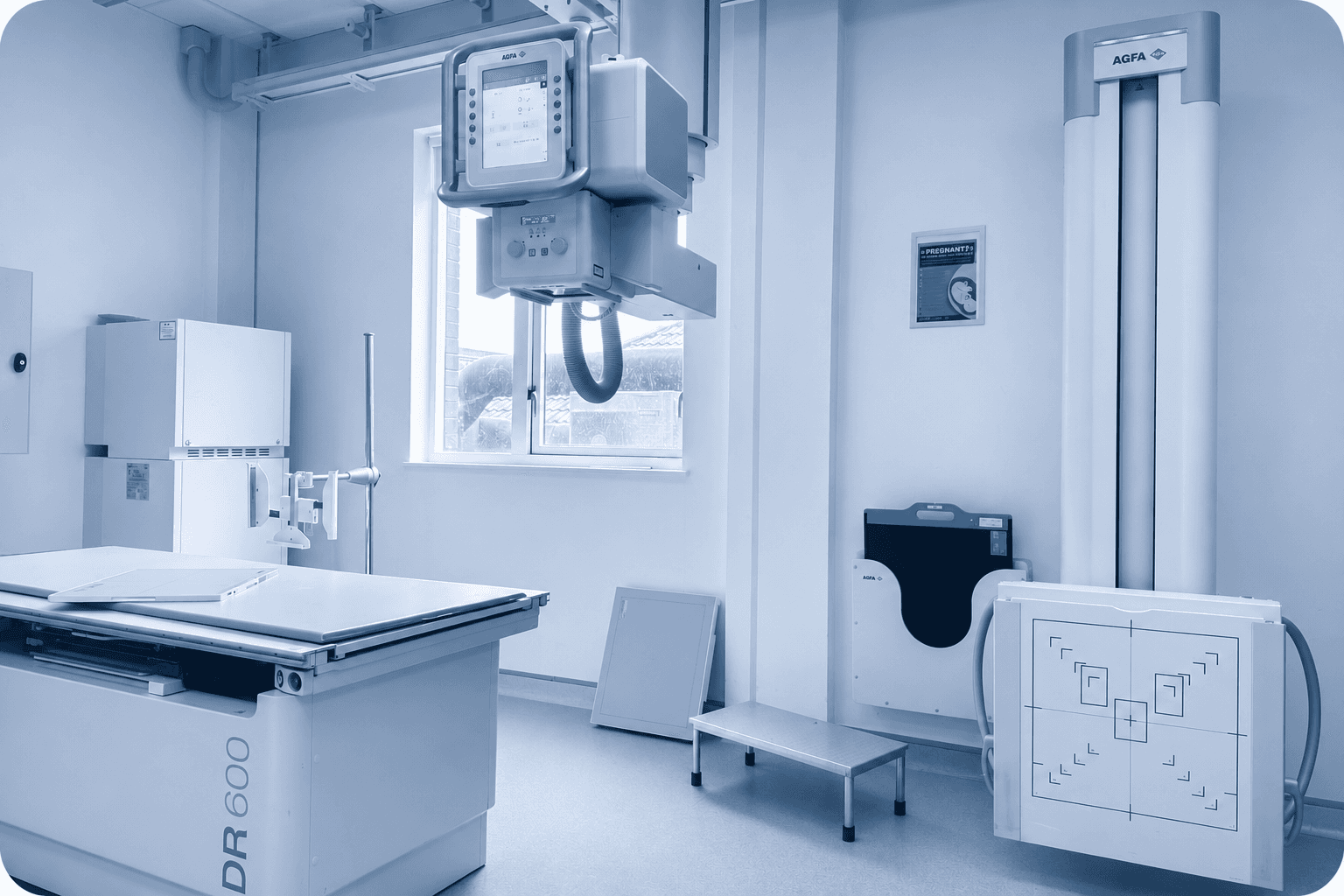
X-ray
X-rays are often the first-line investigation for demonstrating bone and joint abnormalities. The procedure exposes patients to minimal radiation to create images where anatomical structures overlay. Typically two X-rays at right angles are needed.
Digital format allows computer viewing. While bone detail is excellent, soft-tissue features appear poorly defined, necessitating alternative imaging techniques.
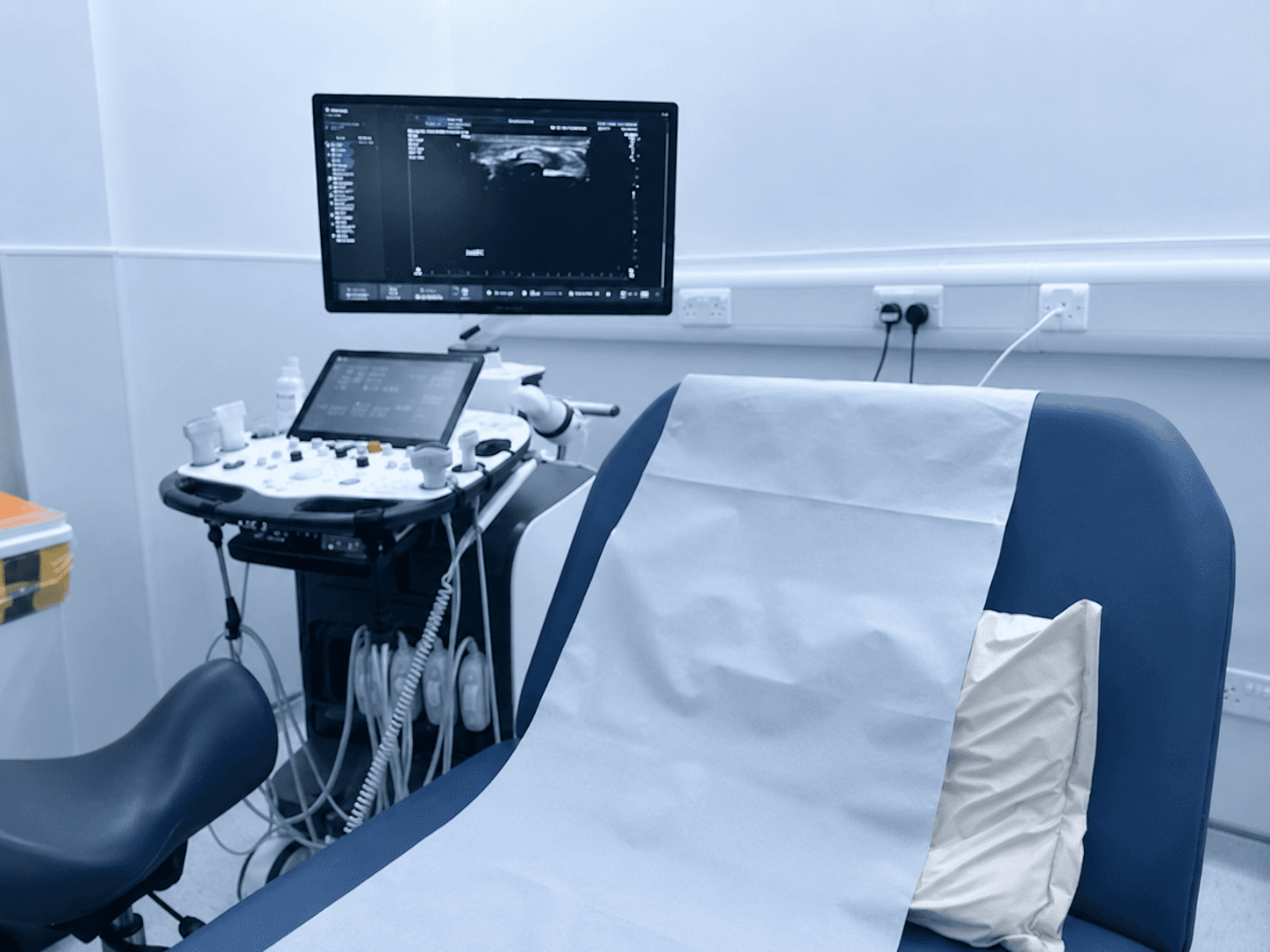
Ultrasound
Ultrasound imaging is a common diagnostic medical procedure that uses painless high-frequency sound waves to produce dynamic pictures of organs, tissues and blood flow inside the body.
Detailed muscle, tendon, and ligament images are produced via a hand-held probe placed on skin with water-based coupling gel. Ultrasound guides precise needle placement for treatment. Procedures take 15–30 minutes.
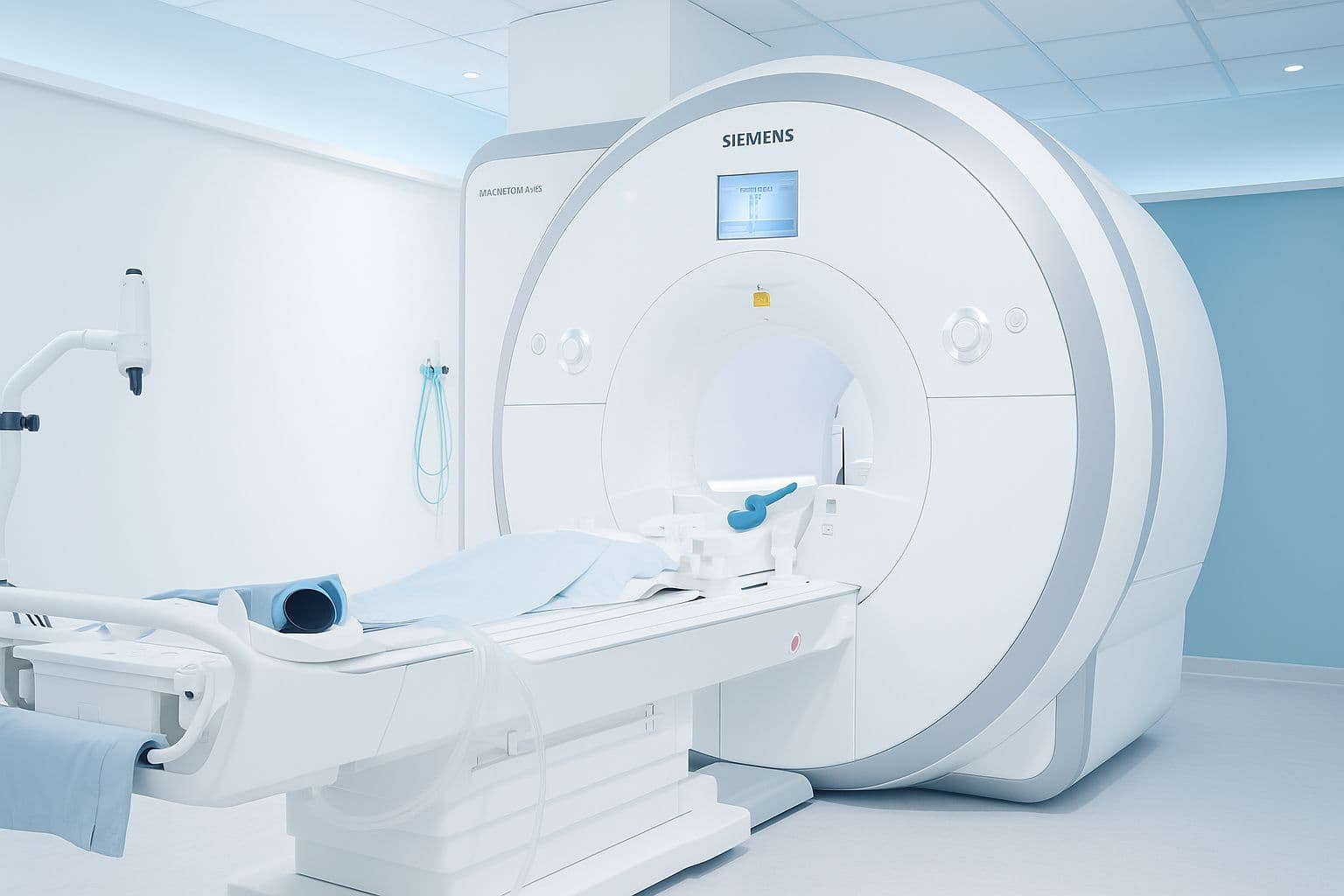
Magnetic Resonance Imaging (MRI)
MRI is a non-radioactive scan showing injury or disease in joint structures using strong magnetic and radio waves. Occasionally, contrast dye injection into veins enhances images.
Patients must inform staff of pacemakers, metallic implants, or kidney conditions beforehand. Scans take 30–60 minutes.
Arthrograms
An arthrogram involves injecting contrast directly into joints, enlarging them to enhance imaging of smaller structures and improve disease evaluation. Procedures take 15–30 minutes.
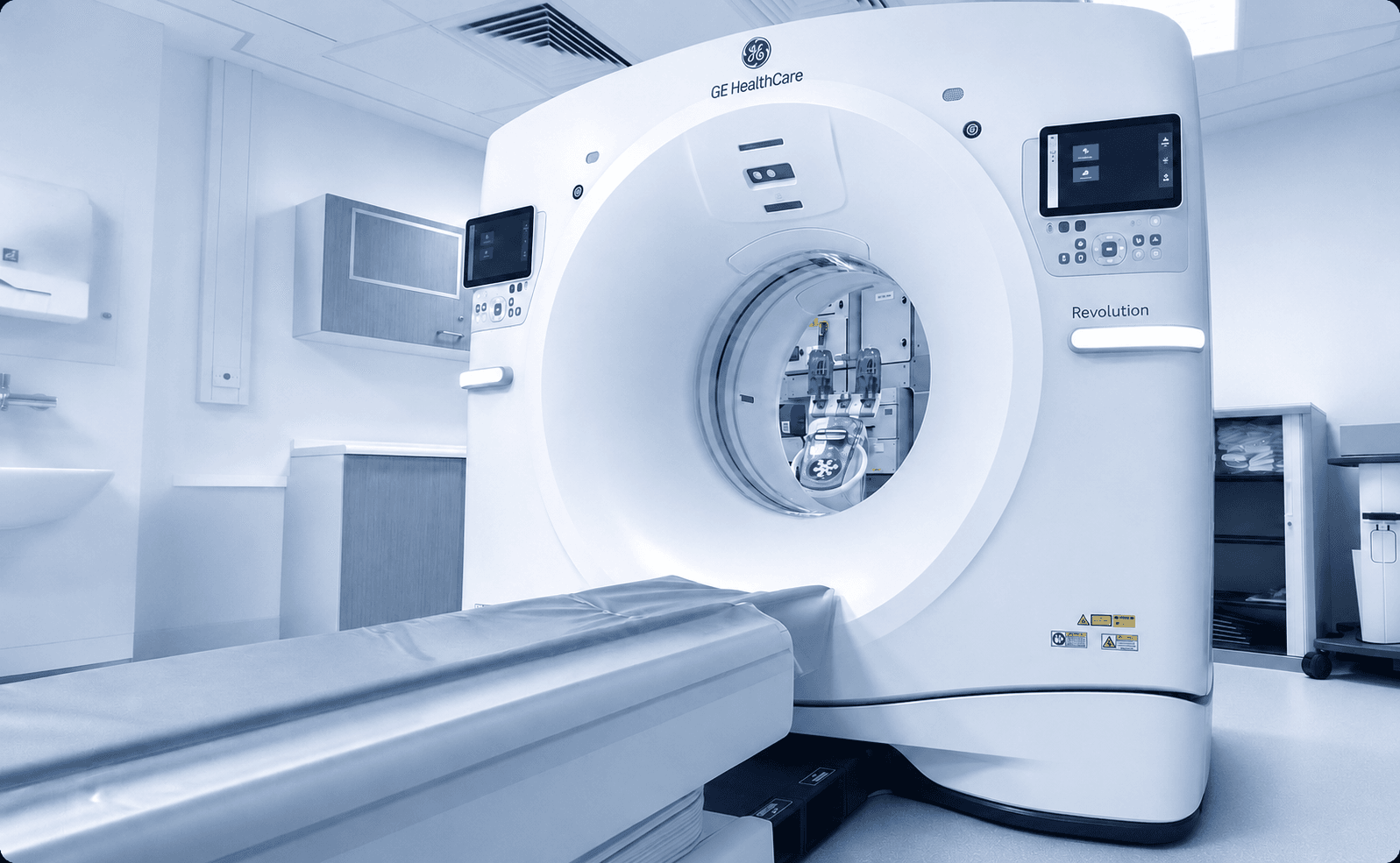
Computed Tomography (CT)
A CT scan is a painless scan that uses a special X-ray machine to take fine-detailed images of bones and joints. The scanner revolves around the body while you lie on a moving table.
Iodine-based contrast may be injected intravenously. This uses higher radiation than X-rays but modern equipment keeps doses low. Scans take 5–15 minutes. Patients must inform staff of potential pregnancy.
Fluoroscopy
Fluoroscopy produces real-time moving X-ray pictures using pulsed X-ray beams displayed on TV monitors, ensuring correct needle positioning for joint injections and interventional procedures.
Need a referral?
Clinicians can submit a referral online. Patients can book an appointment or enquire about imaging directly.